
Diagnoses Are Boxes, People Are Rivers
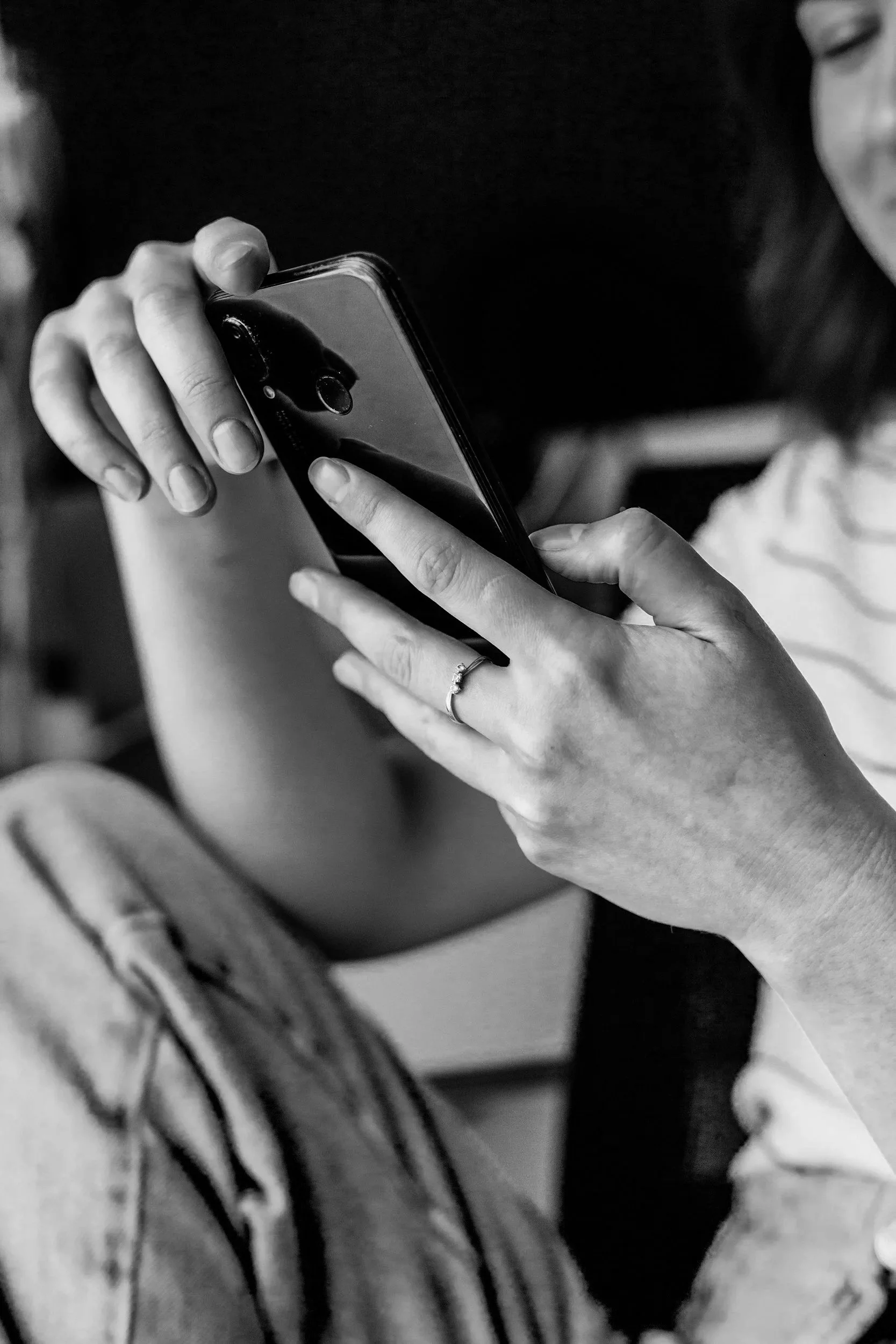
We live in a time where mental health information is everywhere. With a few clicks, we can find symptom checklists, diagnostic criteria, videos breaking down disorders, and people openly sharing their personal struggles.
This access can be wonderfully validation-giving. It gives us language for things we’ve been feeling deep inside and reminds us that we are not alone.
But there is also a real danger in taking a few symptoms or behaviors, looking at them in isolation, and immediately slapping on a diagnosis.
Tools like the DSM-5 have their place in clinical work. But a diagnosis is almost never about one behavior, one intense feeling, or a few symptoms that sound familiar when you read them online. Diagnostic work requires context, history, nuanced clinical consideration, and a deep understanding of your unique story. Mental health is simply not "one plus one equals two."
A human being is far more complex than a checklist.
A Symptom Is Not Your Whole Story
Take a severe fear of abandonment, for instance.
Yes, an intense fear of abandonment is one of the diagnostic criteria associated with Borderline Personality Disorder (BPD). But experiencing that fear doesn't automatically mean you have BPD.
If someone experienced early neglect, rejection, or relational trauma, developing an intense fear of being left makes complete sense when we look at their nervous system and their past. It is a learned protective response—a way your system adapted to survive. It doesn't mean your core identity is a personality disorder.
It’s so easy to read something online, recognize yourself, and think: “This is me. I have this disorder.”
But what if there is another layer to it? What if that behavior is deeply connected to trauma, attachment patterns, anxiety, grief, or something currently happening in your life? What if it's a coping mechanism that once protected you, but no longer serves you?
This is why your unique context matters so deeply.
You Cannot Diagnose Someone by Looking at Them

Eating disorders and body image are another space where quick assumptions do so much harm.
People often see someone who is very thin and instantly assume, "They must be anorexic." But you cannot assess or diagnose an eating disorder simply by looking at a person's body.
A person might be thin for countless reasons, including underlying medical conditions. And while someone in a smaller body may have anorexia, appearance alone never tells the whole story.
In fact, so many struggles with eating disorders and body image are completely invisible to the outside world.
Someone can be trapped in a vicious cycle with bulimia, binge eating, or disordered behaviors, and no one around them has any idea. Someone can look completely “healthy” on the outside while suffering tremendously on the inside.
Labels based on outward appearance are not only inaccurate—they can be deeply hurtful and invalidating.
You Are Not Your Diagnosis
This is where we need to take a step back, pause, and listen to the language we use with ourselves.
There is a profound difference between saying:
"I am experiencing depression." vs. "I am a depressed person."
"I am carrying anxiety right now." vs. "I am an anxious person."
A diagnosis or a symptom describes something you are experiencing or navigating. It does not define who you are at your core.
You may be healing from trauma or PTSD. You may be navigating an eating disorder or an anxious nervous system. These experiences are real, valid, and deserve compassionate, whole-person care.
But they are not the entirety of you.
You are also your personality, your relationship with your body, your memories, your voice, your culture, your dreams, your strength, and all the quiet things that make you uniquely you.
You are a human being. You are not a diagnosis.
Diagnoses Are Boxes. People Are Rivers.
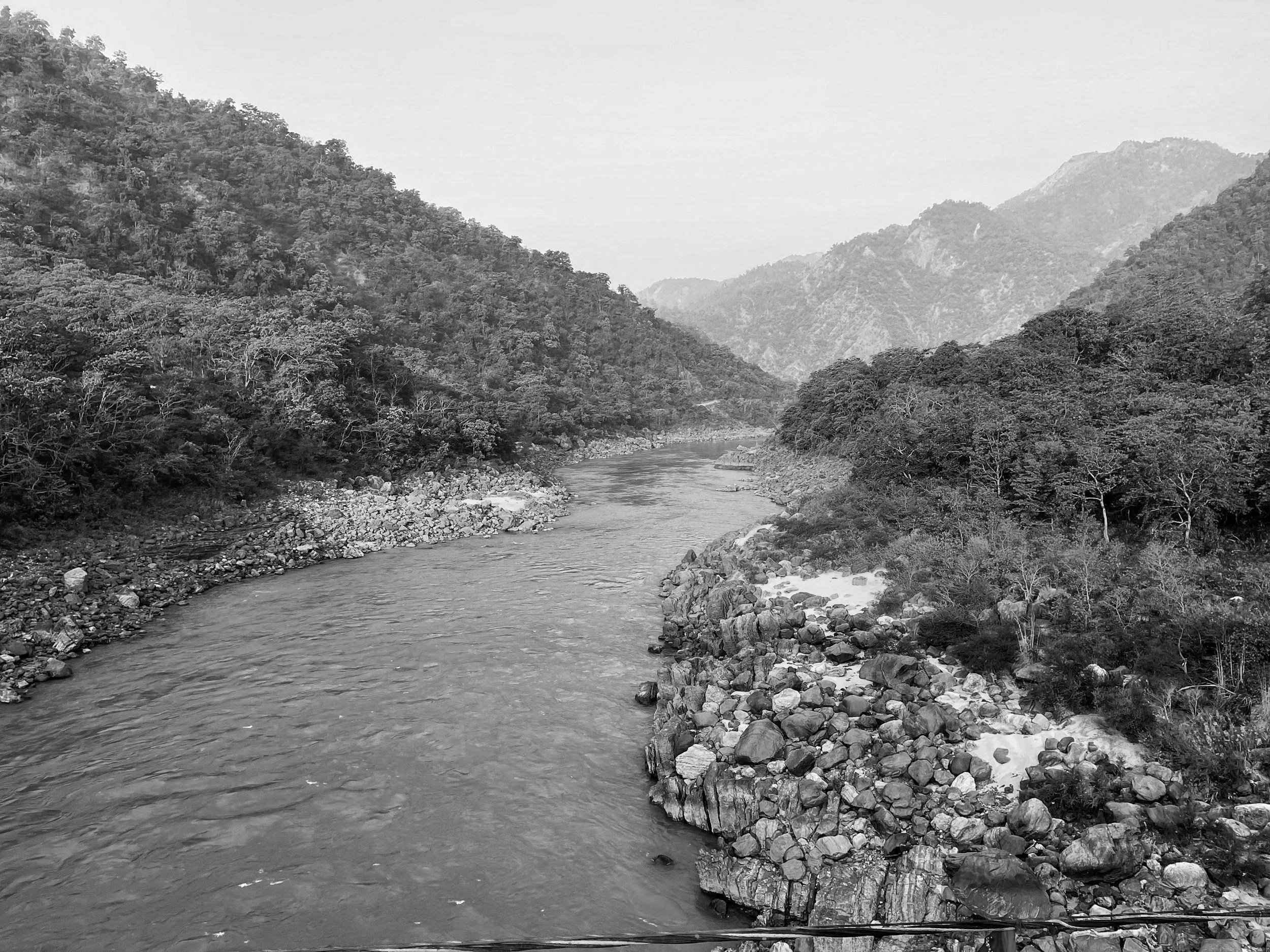
A diagnosis is, in some ways, a box. It gives us a label and a framework. Sometimes that box can be helpful for therapists to communicate, organize patterns, and help you find a starting point for treatment.
But a living, breathing human being was never meant to fit inside a rigid box.
A person is a river.
A river is dynamic and constantly moving. Sometimes it flows quickly; sometimes it moves slowly. Sometimes it is calm, and sometimes it feels turbulent. It changes from day to day, season to season.
We are the exact same way.
Our bodies and minds adapt. Our nervous systems respond to safety and connection. As we start listening to our bodies, rewriting old core beliefs, and developing trust in ourselves, we grow, heal, and shift.
Even patterns and cycles that have felt automatic for years can change when we gently explore where they came from.
That is the beauty of therapeutic work.
What to Do If You Recognize Yourself in a Label
If you read something online and think, "Oh wow, this sounds just like me," take a breath and pause. Recognizing a pattern is a helpful moment of awareness, but recognition is not the same as a diagnosis. Instead of putting yourself into a box or taking on a heavy label, try getting curious.
Ask yourself:
What is my body trying to tell me right now?
When does this pattern show up, and what makes it feel heavier or lighter?
Where did this way of protecting myself come from?
What else might be going on beneath the surface?
If you feel overwhelmed or concerned, reach out to a professional who will take the time to look at the whole picture—mind and body together—rather than just running through a checklist. And if a diagnosis is part of your path, remember: a label is never the end of the conversation. The real question is, "How do I listen to my needs, break free from these cycles, and step into my authentic self?"
Healing isn't about getting a label and staying there. It’s about taking off the masks, listening to what your system is communicating, and honoring your whole self. You are not your problem. You are not your disorder. You are not your diagnosis.
Diagnoses are boxes. People are rivers. A diagnosis may be one chapter in your life, but you hold the power to write the rest of your story.
There is no time like now to start living your life as your authentic self.
My private office is located at 11500 West Olympic Blvd in West LA, offering a quiet, confidential space for in-person healing.
Conveniently serving Sawtelle, Brentwood, San Fernando Valley, and Santa Monica, the office is located right off the 405 freeway, making it easily accessible for clients commuting from Westwood, Century City, Beverly Hills, Culver City, and Venice.
If you prefer to meet virtually, or live outside the Los Angeles area, I also offer secure telehealth sessions for residents throughout California.